


97 min | Documentary | Canada/ USA/ Mexico | English | 2026
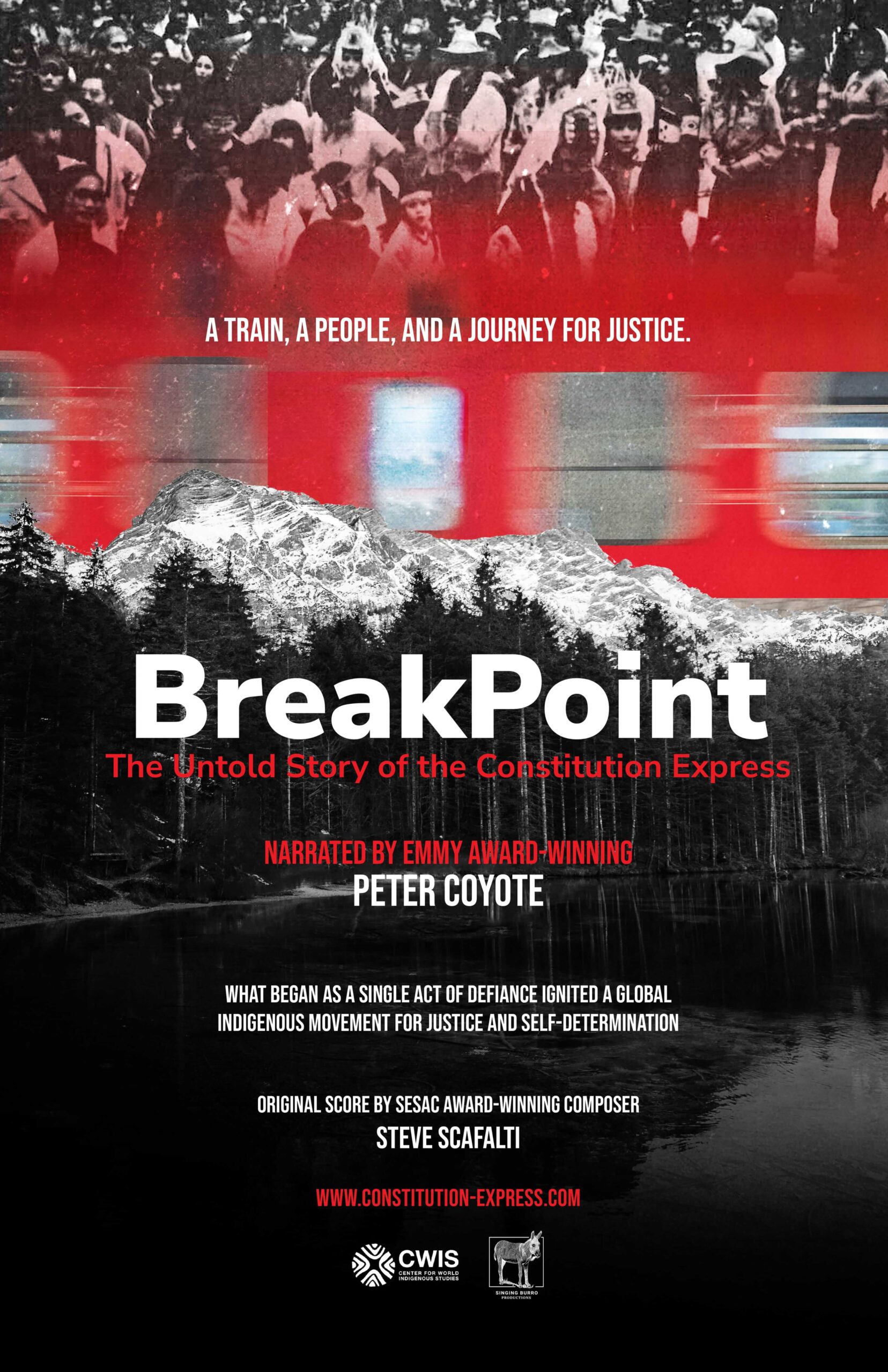
Break Point: The Untold Story of the Constitution Express is a powerful documentary about one of the most significant — yet overlooked — Indigenous rights movements in modern Canadian history.
In 1980, as the federal government moved to patriate Canada’s Constitution from Britain, proposed reforms threatened to erase Indigenous rights and dispossess First Nations peoples of their lands. In response, thousands of First Nations citizens — Elders, families, and children — boarded trains and embarked on a 5,000-kilometer journey to Ottawa to demand recognition.
Known as the Constitution Express, this historic grassroots movement brought Indigenous rights to the national and international stage. Through rare archival footage and firsthand accounts by storytellers Rudolph “Rudy” Ryser, the political strategist, Doreen Manuel, daughter of leader Chief George Manuel, and legal counsel Louise Mandell, Break Point reveals how communities united to defend their inherent rights.
The Constitution Express became a turning point — a movement whose legacy continues to reverberate across the globe in the ongoing struggle for Indigenous Peoples’ sovereignty.
Directed by Leslie Korn and Max Montalban
Produced by Leslie Korn and Nadine Brown
Cinematography | Max Montalban
Editing | Max Montalban
Music | Steve Scalfati and Jon Ryser
Narrated by Peter Coyote
Filmmaker Doreen Manuel reflects on her childhood and heritage and shares what it was like being the daughter of Indigenous leader Grand Chief George Manuel.
Filmmaker Doreen Manuel, a powerful advocate of equity and inclusion in the film industry, discusses the power of the media as a tool to fight against the effects of colonization and the importance of First Nations peoples serving the people.
In this sneak peek into our upcoming film Break Point: The Untold Story of the Constitution Express, we share with you a little-known "back story" as activist lawyer Louise Mandell discusses her work with Indigenous Peoples, Chief George Manuel and the Constitution Express and how her experience as part of the Jewish diaspora from Europe and the Holocaust contributes to her vision of justice for Indigenous Peoples.
Canadian lawyer Louise Mandell discusses the influence of the Women's Movement on her law practice, what it was like working in a women-only law firm for a quarter century serving Indigenous Nations and how they were able to force the law to bend around a feminist praxis.


When you sign up for our newsletter